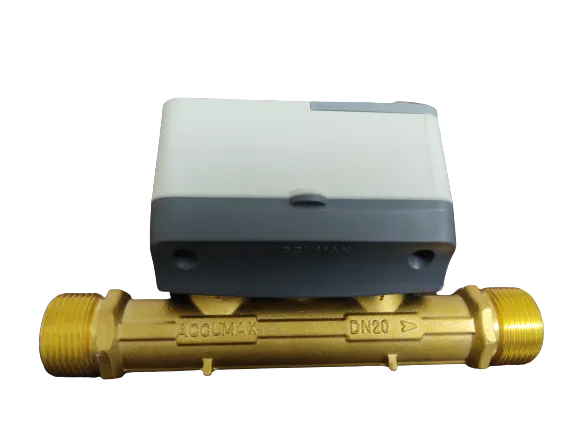
Reading water meters by hand is slow, error-prone and expensive, especially across scattered consumers. Automatic meter reading (AMR) replaces the walk-by with data sent from the meter. Combined with an ultrasonic measuring element, it gives utilities, housing societies and industrial estates a practical route to remote billing.
This article explains how an ultrasonic AMR meter fits into a billing workflow, and what to plan before rollout. Related pages include ultrasonic water meter and the smart water metering solution.
Why ultrasonic measurement suits remote metering
Ultrasonic meters measure flow by sending sound pulses with and against the flow and timing the difference. With no moving measuring parts, they avoid the wear that can degrade mechanical meters over time, and they typically respond well at low flows. Their electronics are also a natural platform for communications and data storage.
For billing, the properties that matter are:
- Stable measurement over a long service life
- Low-flow behaviour, since small leaks and trickle use add up
- Built-in electronic register, easily read by a communication module
- Event flags such as reverse flow, empty pipe or tamper, depending on model
Exact range and accuracy class depend on the model; check datasheets rather than assuming.
From meter to bill: the data chain
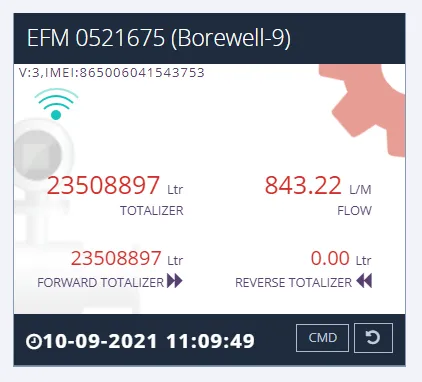
- Measurement. The meter measures volume and stores totals and, in many designs, interval data.
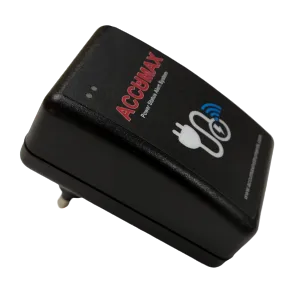
- Communication. A module sends the data by a wired or wireless route, which may be M-Bus, RS485, LoRaWAN, NB-IoT, GPRS or other. Availability varies by product.
- Collection. A gateway or network server receives readings.
- Meter data management. Software validates, stores and time-stamps data.
- Billing. The billing system uses validated consumption and the tariff to generate invoices.
- Customer view. Portals or SMS show consumption and alerts.
Each link adds a failure mode, so test the entire chain, not just the meter.
Choosing a communication route
| Option | Strengths | Watch-outs |
|---|---|---|
| Wired (RS485 / M-Bus) | Reliable, no network fee | Cabling cost, best for compact sites |
| Cellular (GPRS/NB-IoT) | Wide coverage | Recurring SIM cost, coverage and battery life |
| LoRaWAN or similar low-power | Low power, good for dense meter fields | Needs gateway planning |
| Handheld or drive-by reading | Low infrastructure | Still needs a visit |
Pick based on site density, building materials, existing infrastructure and the data frequency you need. More frequent radio transmissions generally increase energy demand; local sampling and radio reporting intervals should be considered separately.
Benefits for billing
- Fewer estimated bills. Readings arrive on schedule even if premises are locked.
- Faster disputes resolution. Interval data shows when water was used.
- Leak detection. Continuous night-time consumption flags leaks to the customer early.
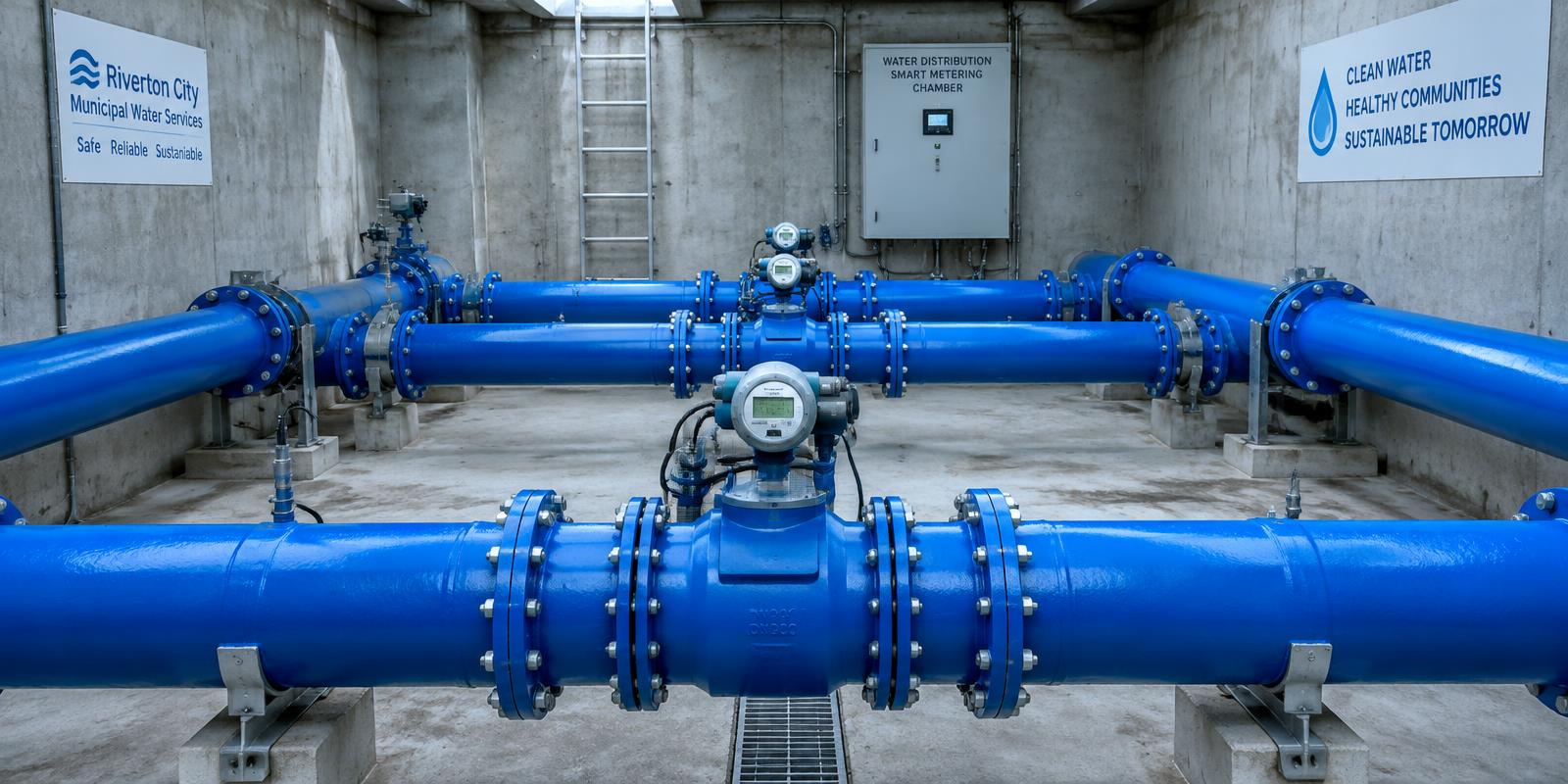
- Better water balance. Comparing a bulk meter with the sum of consumer meters highlights non-revenue water.
- Lower reading cost. Staff are redeployed to maintenance.
These are typical benefits of AMR in general; actual results depend on your network, tariff and operating discipline.
Planning a rollout
Survey
Count meters, note pipe sizes, locations (pits, basements, rooftops) and radio conditions. Underground chambers and metal enclosures can block signals; plan antenna placement.
Pilot
Install a small group, run one or two billing cycles in parallel with manual reading, and compare. Investigate every mismatch.
Data governance
Decide who owns the data, how long it is kept, and who can view it. Customer consumption data can be sensitive, so apply appropriate access controls and follow whatever data-protection obligations apply to you.
Billing integration
Agree on the data format, the read time and how missing reads are treated. Define rules for estimation when a read fails, so that billing staff are not improvising.
Installation tips
- Install with the orientation and straight-run recommendations from the manufacturer. The principles in flow meter installation and straight run apply to most meters.
- Keep the pipe full. Air pockets disturb ultrasonic signals.
- Protect modules from flooding unless the ingress rating allows submersion.
- Record the serial number, location and initial reading of every meter in an asset register.
- Seal and tamper-protect where required.
Maintenance
Check battery status flags regularly, review meters that report zero for long periods, and test the communication success rate per cycle. A drop in successful reads typically points to network or gateway issues rather than meter faults. Periodically verify sample meters against a reference; see flow meter calibration in India for calibration concepts.
Regulatory considerations
Billing meters can fall under legal metrology or utility rules. Requirements vary by jurisdiction and by customer category, so confirm with the relevant authority which approvals apply. A meter supports compliant billing practice but does not by itself guarantee compliance.
Acceptance checks before handover
Run a documented comparison under representative conditions and retain the original observations. Check that the local display, transmitted value and stored record use the same units and scaling. Include an approved interruption test, then verify recovery without silently resetting totals or losing the configuration. Assign responsibility for reviewing alarms and unexplained gaps. These checks establish a baseline for maintenance rather than proving that the installation will remain correct indefinitely.
Frequently asked questions
Can AMR meters replace the whole billing process?
They automate data collection, but billing still needs software, tariff rules, validation and customer service processes.
How often should an AMR meter send data?
It depends on purpose. Daily or monthly reads are enough for basic billing; shorter intervals suit leak detection and water balance, at the cost of battery life and data volume.
What happens when communication fails?
Confirm non-volatile total retention and local storage for the selected meter. A later cumulative reading may recover total consumption without recovering every missing interval; the billing workflow must distinguish the two.
Conclusion
Ultrasonic AMR meters make remote billing practical by combining durable measurement with automated data collection. Success depends on the full chain: survey, a suitable communication route, validated data and clear billing rules. Pilot first, then scale.
Planning a smart metering project? Contact Accumax to discuss your site.
Written by the Accumax Engineering Team
The people who design, build and calibrate Accumax instruments in Gandhinagar since 1992.